


5 Uncomfortable Signs Youre Being Used in Relationships and How to Set Boundaries
- finergyglobal1

- Aug 5
- 9 min read
Being used in a relationship rarely feels obvious at first. It often starts with small moments that are easy to explain away: they forgot to ask how you were, they needed one more favor, they disappeared after you helped, they made you feel guilty for saying no.
Over time, those moments add up. You may feel drained, resentful, confused, or strangely lonely around someone who is supposed to care about you.
This can happen in romantic relationships, friendships, family dynamics, and even close community ties. The goal is not to judge every imperfect interaction. Everyone needs support sometimes. The concern is a pattern where your care, time, money, body, skills, or emotional energy are treated as resources someone can access without real care for your well-being.
Here are five uncomfortable signs you may be being used in a relationship, how to recognize them, and how to set boundaries that actually last.

1. They only reach out when they need something
One of the clearest signs is a relationship that activates only when the other person wants help.
They text when they need a ride. They call when they need comfort. They invite you over when they are bored, lonely, or in crisis. Yet when you need support, they are suddenly busy, distracted, or emotionally unavailable.
This pattern can be hard to admit because it may not look cruel. They might be warm when they need you. They may say sweet things, share personal details, or act close in the moment. That can make the connection feel real enough to keep you hoping.
The key question is not, “Do they ever act kind?” It is, “Do they show up when there is nothing to gain?”
Signs to watch for include:
They rarely ask about your life unless it connects to their needs.
They ignore casual messages but respond quickly when they want a favor.
They make plans around convenience, not mutual interest.
They seem affectionate right before asking for something.
They vanish after you help them.
The emotional impact can be heavy. You may start to feel like a tool rather than a person. You might become anxious when their name appears on your phone because your body expects another request. You may also feel guilty for noticing the imbalance, especially if you care about them.
A sustainable boundary starts with slowing the automatic yes.
Try a simple delay:
“I need to check my energy and schedule before I answer. I’ll let you know later.”
This gives you space to decide instead of reacting from guilt. If you often overgive, the pause may feel uncomfortable. That discomfort is not proof you are doing something wrong. It is often the feeling of changing an old pattern.
2. Your needs are treated like a burden
In healthy relationships, needs are not always easy to meet, but they are taken seriously. Someone who values you may not be able to give you everything you ask for, but they will usually care that something matters to you.
When you are being used, your needs often become inconvenient.
You may hear things like:
“You’re too sensitive.”
“Why are you making this a big deal?”
“I can’t deal with this right now.”
“After everything I’m going through, you’re bringing this up?”
“You know I’m not good at that.”
These responses shift attention away from your concern and back to their comfort. Instead of discussing the issue, you end up defending your right to have feelings.
Over time, this can teach you to self-edit. You may stop asking for reassurance, affection, respect, repayment, honesty, or time. You may tell yourself your needs are “too much” because the other person reacts poorly whenever you express them.
That internal shrinking is one of the most painful effects of being used. It can leave you disconnected from your own standards.
To recognize this sign, pay attention to what happens after you speak up. A caring person may feel awkward, surprised, or even defensive at first, but they can come back to the conversation. A using person often makes your need the problem.
A boundary here should be clear and specific.
Try this:
“I’m willing to talk about this calmly. I’m not willing to be mocked, dismissed, or called dramatic for having a need.”
Then follow through. If the conversation turns dismissive, end it for the moment.
You might say:
“I’m going to step away now. We can talk when this can be respectful.”
A boundary is not a speech that makes someone understand you. It is a line that tells you what you will do when your well-being is not respected.

3. They use guilt to keep access to you
Guilt is one of the most common tools in unequal relationships. It can sound caring, desperate, angry, or wounded. The message is usually the same: if you do not give them what they want, you are selfish, cold, disloyal, or uncaring.
This can show up in direct or subtle ways.
A friend might say, “I guess I know who my real friends are.”
A partner might say, “If you loved me, you would do this.”
A family member might say, “After all I’ve done for you, you can’t help me?”
A person in crisis might imply that your boundary is the reason they are falling apart.
This is especially difficult when the other person really is struggling. Compassion can coexist with limits. You can care about someone’s pain and still decide that you cannot be their only source of money, comfort, rescue, or emotional regulation.
Guilt-based control often creates a cycle:
They ask for something.
You hesitate or say no.
They react with guilt, anger, withdrawal, or panic.
You give in to calm the situation.
They learn that pressure works.
The emotional impact is exhausting. You may feel responsible for their mood. You may lose sleep after saying no. You may replay conversations, wondering if you were cruel. This is where many people get trapped, because giving in brings short-term relief but long-term resentment.
A strong boundary with guilt requires repetition, not overexplaining.
Use a calm phrase and repeat it:
“I care about you, and I’m not able to do that.”
If they escalate, do not debate your kindness. One of the biggest boundary mistakes is trying to prove you are a good person to someone who benefits from making you feel bad.
You can add:
“I understand you’re upset. My answer is still no.”
For serious situations involving threats of self-harm or harm to others, contact emergency services or a qualified crisis resource in your area. You can take someone’s distress seriously without becoming their only safety plan.
4. The relationship works only when you overfunction
Overfunctioning means you carry more than your share to keep the relationship stable. You remember the plans, repair the conflicts, manage their emotions, do the chores, pay the bills, send the reminders, smooth over the awkwardness, and make excuses for behavior that keeps hurting you.
The relationship may seem “fine” from the outside because your effort hides the imbalance.
This sign can show up in many ways:
You always initiate repairs after conflict.
You apologize just to restore peace, even when you were hurt.
You plan everything because they “just aren’t good at that.”
You cover for them with friends, family, or children.
You keep lowering your expectations so the relationship can continue.
Being used does not always mean the other person is plotting against you. Sometimes they are comfortable letting you carry the weight because it benefits them. The result is still harmful.
The emotional impact often includes burnout. You may feel older than you are, tired before interactions begin, or resentful of tasks you once did willingly. You may also feel trapped by the idea that everything will fall apart if you stop.
A sustainable boundary here involves giving responsibility back to the person who owns it.
Instead of saying, “Fine, I’ll handle it,” try:
“I’m not going to manage this for you. I trust you to handle your part.”
If the issue affects you directly, be specific about what you will and will not do.
For example:
“I’ll pay my share by Friday. I won’t cover your share again.”
Or:
“I’m willing to discuss the conflict. I’m not willing to be the only one apologizing and changing.”
The goal is not to punish the other person. The goal is to stop building a relationship that survives only because you keep abandoning yourself.

5. You feel worse about yourself after being with them
Sometimes the strongest evidence is not what they do, but what happens inside you after contact.
After spending time with them, you may feel:
Drained
Small
Anxious
Unattractive
Confused
Guilty
Used
Emotionally hungover
Your body may tense before seeing them. You may rehearse what to say so you do not upset them. You may feel relief when they cancel. You may need hours or days to feel like yourself again.
This does not mean every difficult relationship is abusive or doomed. People go through hard seasons. Conflict can be part of honest closeness. The difference is whether the relationship still includes care, repair, honesty, and respect.
If you consistently leave feeling less like yourself, pay attention.
A helpful exercise is to track your emotional state before and after interactions. Keep it simple. Write down:
How you felt before seeing or speaking to them
What happened during the interaction
How you felt afterward
Whether your boundaries were respected
Patterns become clearer when they are outside your head. This can be especially useful if the person often denies, minimizes, or reframes your experience.
A boundary for this sign may involve reducing access.
That could mean:
Shorter visits
Fewer calls
Meeting in public places
Not responding immediately
Leaving when disrespect begins
Taking space from the relationship
You do not need a dramatic announcement for every boundary. Sometimes the most sustainable change is quiet consistency.
How to set boundaries that actually last
Boundaries are often misunderstood. They are not demands that force another person to change. They are decisions about what you will participate in, tolerate, or provide.
A useful boundary has three parts:
The limit
The reason
The follow-through
What you will or will not do
A brief explanation, if one is needed
What happens if the limit is ignored
For example:
“I’m not lending money anymore. It has created stress for me. If you ask again, I’m going to end the conversation.”
That may feel blunt if you are used to softening everything. But clear does not have to mean cruel.
Start with your highest-cost pattern
Do not try to fix every relationship dynamic at once. Begin with the pattern that costs you the most.
Ask yourself:
Where do I feel the most resentment?
What do I keep doing even though I do not want to?
What am I afraid will happen if I say no?
What access has this person had to me that no longer feels healthy?
Your answers point toward the boundary you need first.
Use short language
Long explanations can become openings for debate. Keep your words calm and brief.
Good boundary phrases include:
“I can’t do that.”
“That doesn’t work for me.”
“I’m not available for this conversation when it turns disrespectful.”
“I need more notice before making plans.”
“I won’t discuss my decision again tonight.”
“I’m going to leave if the yelling continues.”
You can be kind and still be firm. If someone requires you to be endlessly flexible to see you as kind, the relationship may depend on your lack of limits.
Expect discomfort without treating it as danger
The first few times you set boundaries, your nervous system may protest. You may feel shaky, guilty, selfish, or afraid. That is common, especially if you learned that love means constant availability.
Discomfort does not mean the boundary is wrong. It may mean the boundary is new.
Support yourself afterward. Drink water. Take a walk. Text someone safe. Write down what happened. Remind yourself that guilt is a feeling, not a command.
Watch behavior more than promises
When someone benefits from your lack of boundaries, they may not welcome your new limits. They might apologize, charm you, get angry, withdraw, or promise immediate change.
Listen to words, but trust patterns.
A meaningful response sounds like accountability and becomes visible through behavior. The person may not love the boundary, but they respect it. They adjust. They stop pushing. They repair when they slip.
If they punish you for every limit, that is information.
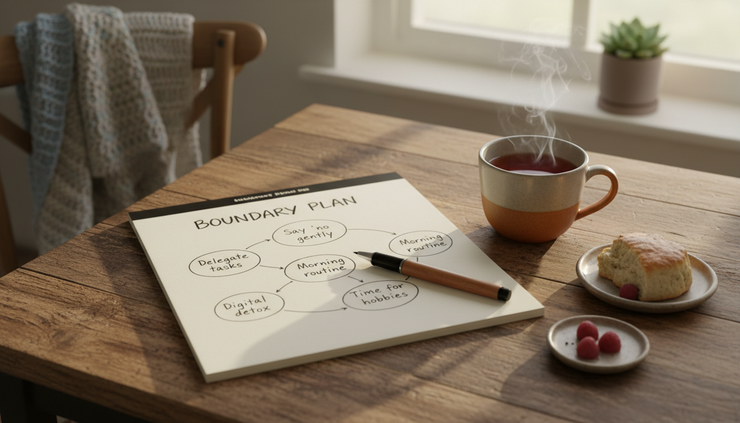
A healthier relationship will have room for your no
The painful part of recognizing you are being used is that you may still care about the person. You may remember their good moments. You may understand their wounds. You may hope that if you explain yourself the right way, they will finally value you the way you have valued them.
Sometimes people do grow. Sometimes relationships can reset with honesty, accountability, and time. But your well-being cannot depend on someone eventually realizing they have taken too much.
A healthier relationship has give and take. It has care that flows in both directions. It has room for your needs, your limits, your rest, and your no.
Start small if you need to. Pause before answering. Say no once without writing a paragraph. Stop rescuing someone from a consequence they created. Leave one conversation when it becomes disrespectful.
Each boundary is a quiet reminder: being loved should not require being used.


Comments